This post may contain affiliate links. As an Amazon Associate I earn from qualifying purchases. If you click and buy, I may receive a small commission at no extra cost to you. Read our Disclosure Policy
It’s easy to feel a bit deflated when you scroll past those dreamy craft rooms with acres of desk space, perfectly colour-coded storage, and not a glue stick in sight. They’re lovely to look at — but they’re not most people’s reality.
For a lot of us, crafting happens wherever we can make it fit. A corner of the dining room. A desk squeezed into a bedroom. Half a closet. The kitchen table that has to be cleared away for dinner. Or the sofa, with supplies carefully balanced nearby.
And honestly That’s fine. You don’t need a full craft room to enjoy making things — you just need systems that work for the space you actually have.
Think “Craft Zone,” Not “Craft Room”
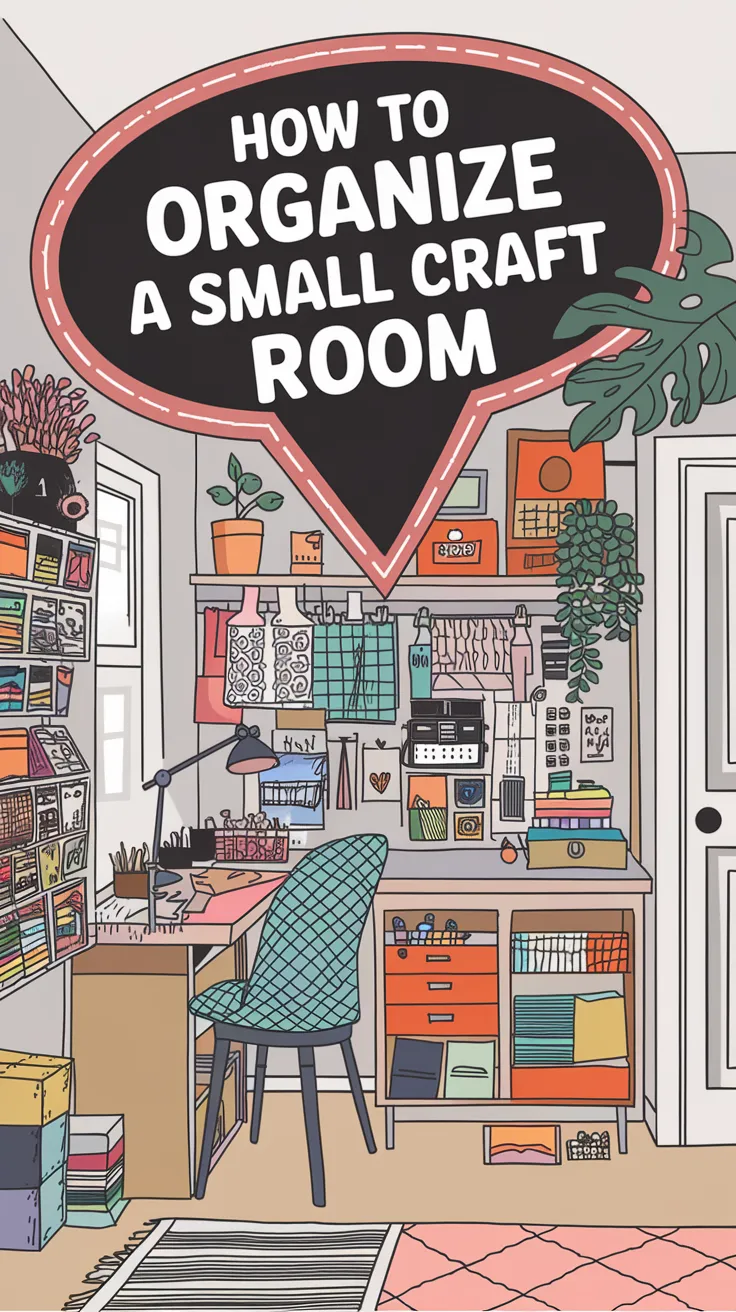
One of the most helpful mindset shifts when you’re short on space is letting go of the idea that crafting needs a whole room. Instead, think in terms of a craft zone — a defined area (or setup) that supports your creative time, even if it has to pack away afterwards.
What a craft zone can look like in real life
A craft zone might be:
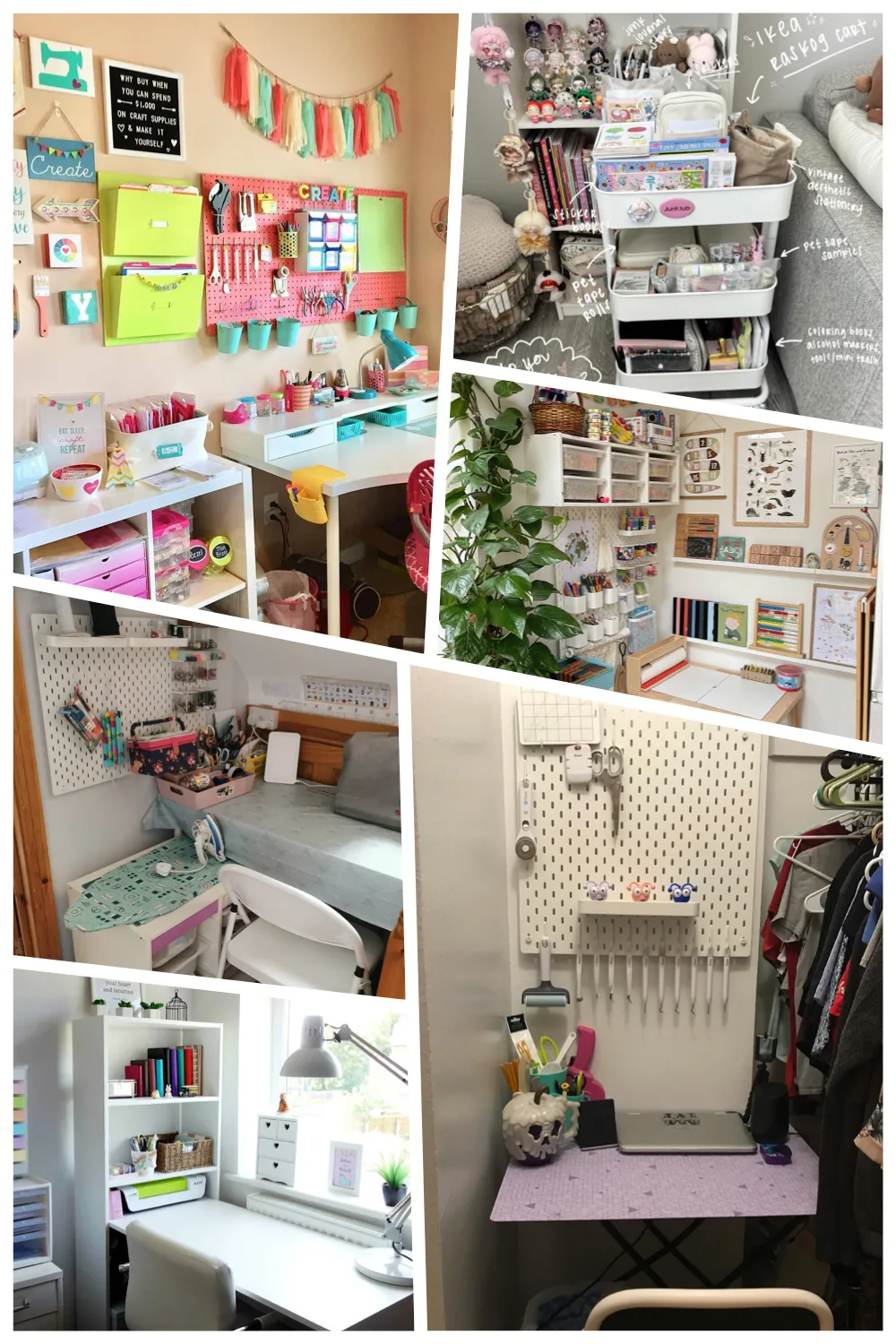
- a small desk tucked into the corner of a living room
- a rolling cart that lives under a table when not in use
- a wardrobe or closet that opens up into a mini craft hub
- a basket or tote you pull out when you craft on the couch
The key isn’t permanence — it’s ease. If you can set up quickly and tidy away without frustration, you’re far more likely to actually use the space.
Use Vertical Storage Wherever You Can
When floor space is limited, the walls (and doors) suddenly become very valuable. Vertical storage lets you keep supplies accessible without spreading outward and taking over the room.
Smart vertical storage ideas for small craft spaces
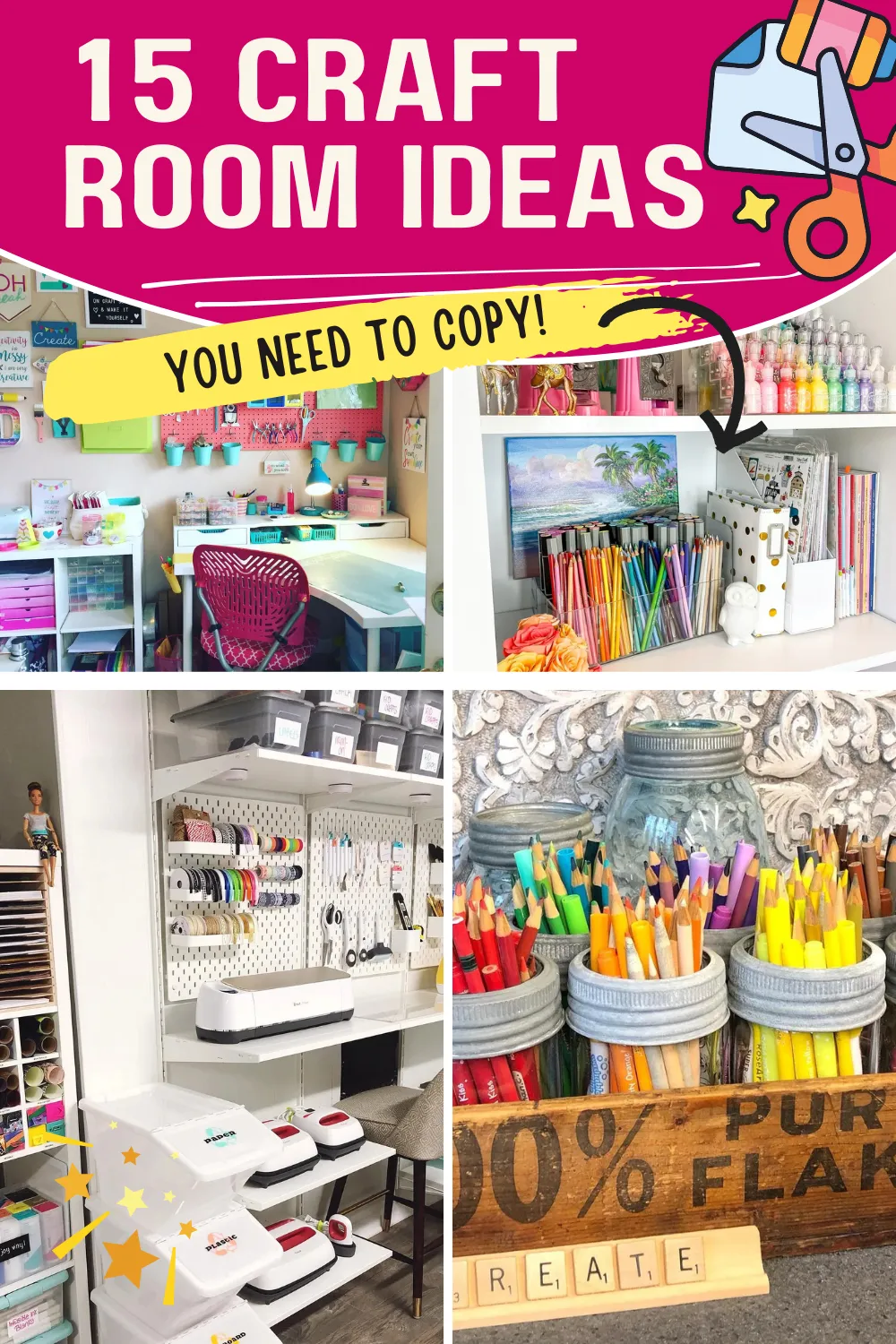
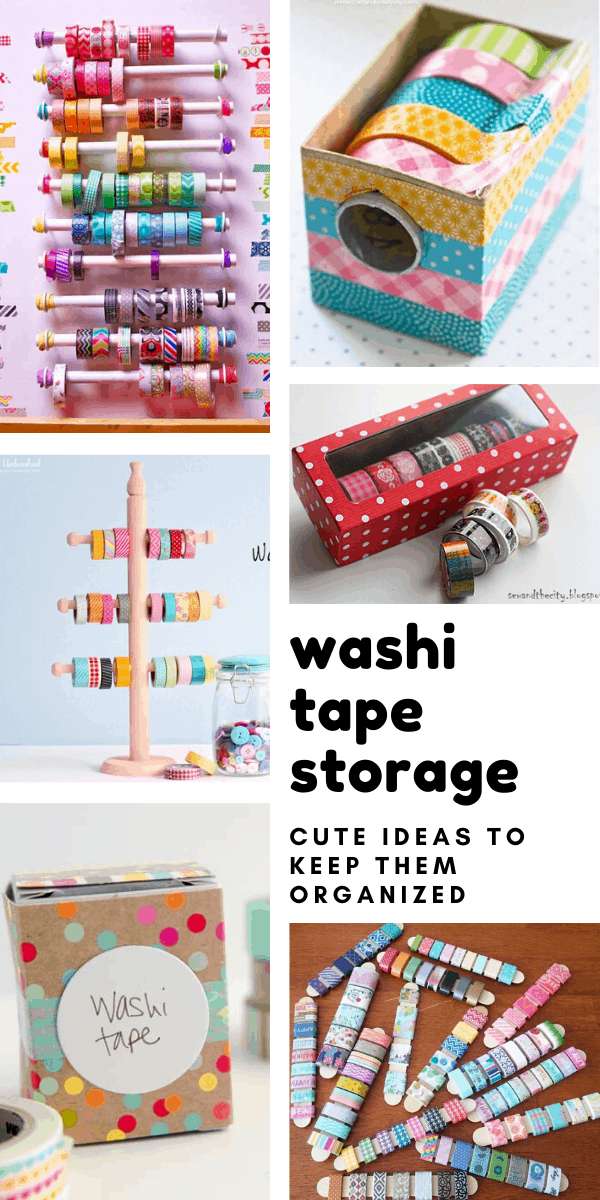
Pegboards are a favourite for a reason. They’re flexible, customisable, and perfect for tools you reach for often — scissors, rulers, tape, cutters, and even small baskets for washi tape or pens.
Wall shelves work well for:
- clear bins of supplies
- jars of buttons or beads
- baskets with current projects
If wall space is tight, don’t forget about:
- over-the-door organisers (especially inside closets)
- magnetic strips for metal tools
- tall, stackable drawer units that go up instead of out
Keeping things visible makes crafting easier — and stops supplies from being forgotten at the back of a cupboard.
Make a Small Desk Work Harder
If you have even a modest desk, you already have a solid foundation. The trick is making sure every inch earns its keep.
How to maximise a tiny craft desk
Start by keeping the actual work surface as clear as possible. A cluttered desk feels smaller than it is and can be surprisingly discouraging.
Adding a desk riser or shelf above the workspace gives you instant extra storage without taking up more floor space. Drawer dividers help keep tools from turning into a jumbled mess, and small containers stop bits and pieces from wandering.
Try to keep only your most-used supplies within arm’s reach. Less frequently used items can live elsewhere — nearby, but not crowding your workspace.
Closet Craft Spaces Are Surprisingly Brilliant
Closets don’t get nearly enough credit when it comes to small-space crafting. With a bit of organisation, they can become incredibly efficient little work zones.
Turning a closet into a craft space
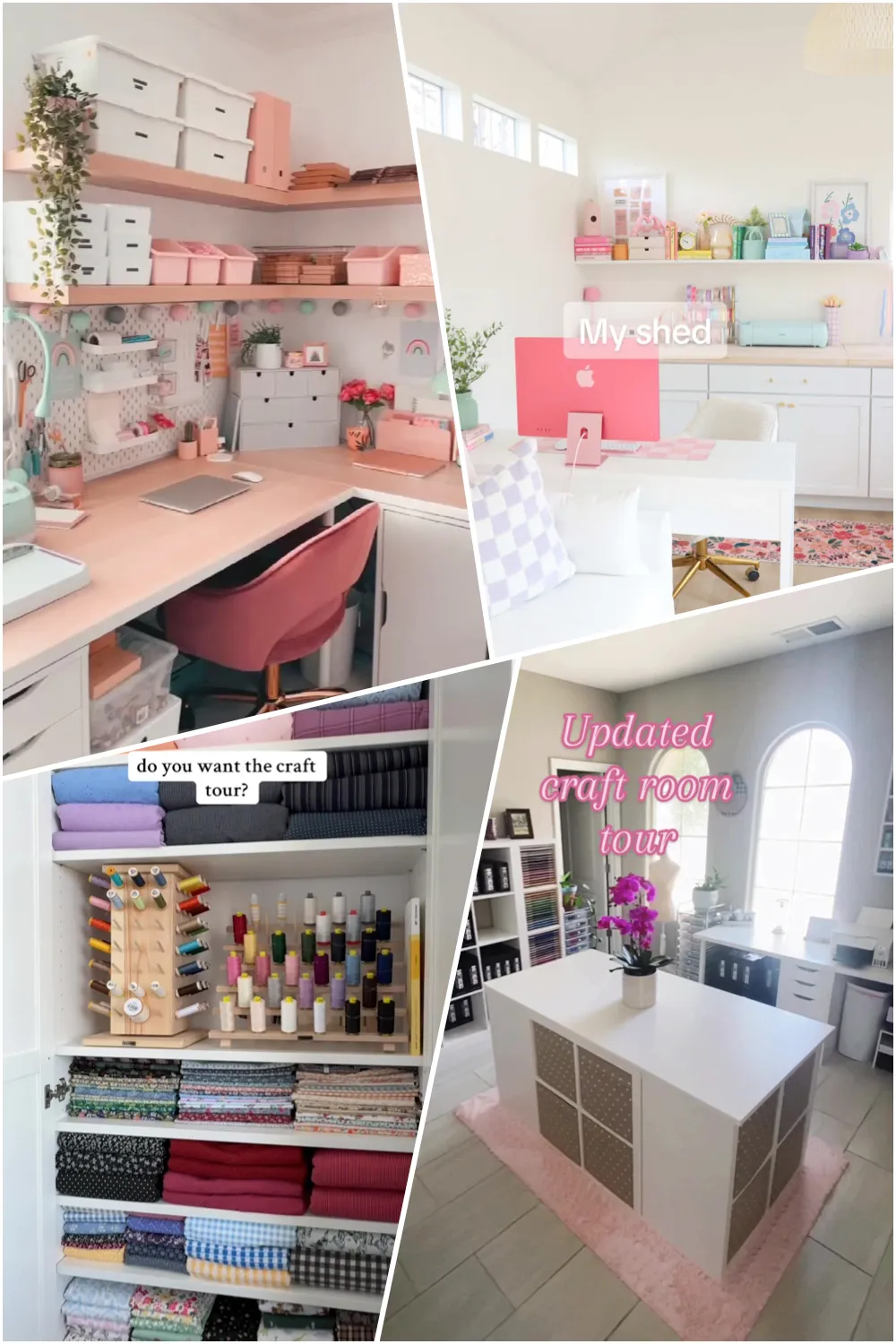
Shelving is your starting point. Cube units or adjustable shelves let you store supplies vertically, while clear bins make it easy to see what you have at a glance.
Some people add a fold-down or pull-out surface to use as a work area, which is especially handy for sewing or paper crafts. Battery-powered lights or puck lights make a huge difference, too — no one wants to craft in the shadows.
Best of all, when you’re done, you can simply close the door and enjoy an instantly tidy room.
Crafting on the Couch Counts Too
If your crafting happens on the sofa, you’re in very good company. This setup just calls for portability and good containment.
Making couch crafting easier (and less messy)
A large lidded basket or tote can hold everything for your current project, making it easy to grab and put away. Lap desks or tray tables give you a stable surface without needing a dedicated table.
Project bags are especially helpful here. Keeping one project per bag means you’re not mixing supplies or losing pieces, and it makes it easy to pick up where you left off.
The goal is to make starting feel easy — not like a whole production.
Storage That Actually Works in Small Spaces
When space is limited, organisation needs to be simple and intuitive. Overly complicated systems tend to fall apart quickly.
Fewer categories, clearer labels
Group supplies by how you actually use them rather than trying to create a picture-perfect setup. Clear bins are incredibly helpful, especially when stacked, and labelling everything saves time and mental energy.
Even if you’re sure you’ll remember what’s inside a bin, labels make it easier to tidy up — and easier for anyone else in the household to put things back where they belong.
Staying Tidy Without Expecting Perfection
Small craft spaces don’t stay usable unless tidying is easy. That doesn’t mean spotless — it just means manageable.
Tiny habits that make a big difference
Keeping a small trash can right next to you is a surprisingly powerful trick. It stops scraps, packaging, and thread ends from piling up on your workspace.
A “deal with it later” bin can catch half-finished bits during a session, and a quick two-minute reset at the end helps keep clutter from becoming overwhelming. Wipes or a cloth nearby make it easy to clean surfaces quickly without turning cleanup into a whole task.
Be Honest About What You Really Use
When storage space is limited, being realistic matters more than being aspirational.
If certain supplies haven’t been touched in a year, they might be better stored elsewhere. Long-term storage is fine — not everything needs to be within arm’s reach all the time.
The goal is to support the crafts you actually enjoy doing now, not to store every possible future idea in one small space.
Your Craft Space Doesn’t Need to Look Like Instagram
Those gorgeous craft rooms are fun to admire, but they’re not the standard you need to meet. A good craft space is one that fits your home, your routine, and your life.
If your setup lets you sit down, make something, and enjoy the process — even if it’s just for twenty minutes — then it’s doing its job beautifully.